
Elevating Long Drives With the 2026 Volvo XC90 Ultra’s Head-Up Display and Premium Sound
Long stretches behind the wheel test more than patience. On Nova Scotia’s coastal highways and cottage-bound backroads, small comforts start to...
Read moreVolvo Cars Halifax
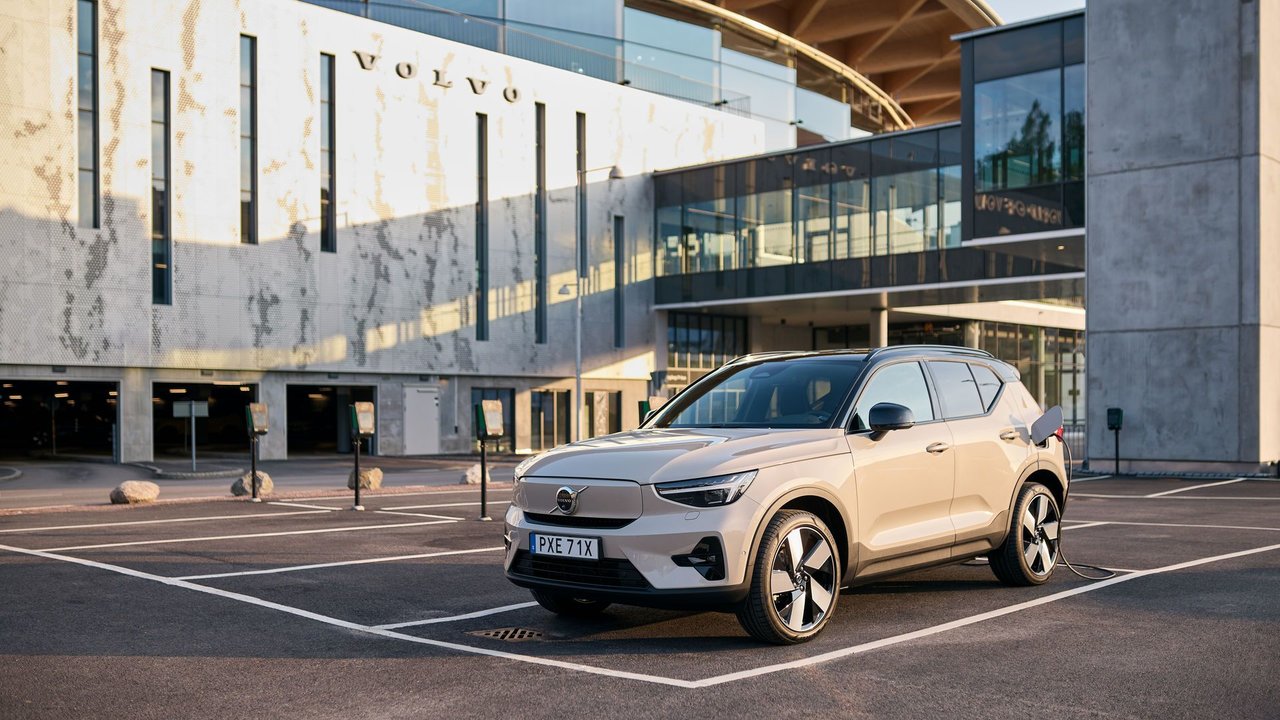
If you're looking at Volvo's electric lineup and wondering what separates the EX40 from the EC40, you're not alone. The two models share the same platform, the same powertrain options, and nearly the same cabin — yet they attract different drivers for good reasons. For shoppers in Nova Scotia weighing their options, understanding these differences makes the decision a lot clearer.
Both vehicles are fully electric, built on the same architecture, and equipped with the same Google-powered infotainment system. The real split comes down to body shape, cargo space, and how each one fits into daily life in and around Halifax. This guide lays out the key differences so you can make a confident, informed choice.
|
Feature |
EX40 Twin Motor |
EC40 Twin Motor |
|---|---|---|
|
Body Style |
Traditional SUV |
Fastback/coupe-style crossover |
|
Power |
402 hp |
402 hp |
|
Torque |
494 lb-ft |
494 lb-ft |
|
0–100 km/h |
4.8 sec |
4.7 sec |
|
Electric Range |
418 km |
431 km |
|
Consumption (City/Hwy/Comb.) |
2.3/2.8/2.5 Le/100 km |
2.2/2.7/2.4 Le/100 km |
|
Cargo (seats up) |
536 L |
480 L |
|
Cargo (seats folded) |
1,400 L |
1,196 L |
|
Frunk |
31 L |
21 L |
|
Vehicle Height |
1,647 mm |
1,591 mm |
|
Braked Towing (EX40) |
900 kg |
900 kg |
|
Wheelbase |
2,702 mm |
2,702 mm |
On paper, both models are almost identical in performance — and that's not a coincidence. The Twin Motor configuration in each produces 402 hp and 494 lb-ft of torque from dual electric motors in an all-wheel drive setup. The shared 82 kWh battery (79 kWh usable) provides the energy for both.
Where they diverge is efficiency. The EC40's fastback roofline creates a more aerodynamic shape, resulting in a slightly lower drag coefficient (0.319 vs. 0.329 for the EX40). That translates directly into range: the EC40 Twin covers an estimated 431 km per charge versus the EX40 Twin's 418 km. For drivers who regularly cover long stretches of the Trans-Canada or head out of Halifax toward Truro or Amherst, that 13 km difference is a small but measurable advantage for the EC40.
Charging specs are identical across both: up to 150 kW DC fast charging brings the battery from 10–80% in approximately 29 minutes.

This is where the two models split most clearly, and where your daily routine in Halifax matters most.
The EX40 is the practical workhorse of the two. Its taller, more vertical rear end gives it 536 L of cargo space with seats up and 1,400 L with rear seats folded. The front storage compartment (frunk) holds 31 L — enough for charging cables and small essentials. If you regularly load up for weekend trips to Kejimkujik or need room for gear in the back, the EX40 gives you more space to work with.
The EC40 tells a different story. Its sloping fastback roofline cuts cargo volume to 480 L with seats up and 1,196 L with seats folded. Headroom also decreases in the rear. Drivers who rarely haul bulky items and prioritize the silhouette of the vehicle over maximum load space will find the EC40 suits them just fine.
The exterior difference is straightforward: the EX40 looks like a traditional compact SUV, while the EC40 has a swooping roofline that runs from the roof down toward a truncated rear — a design borrowed from the sportier end of the crossover market.
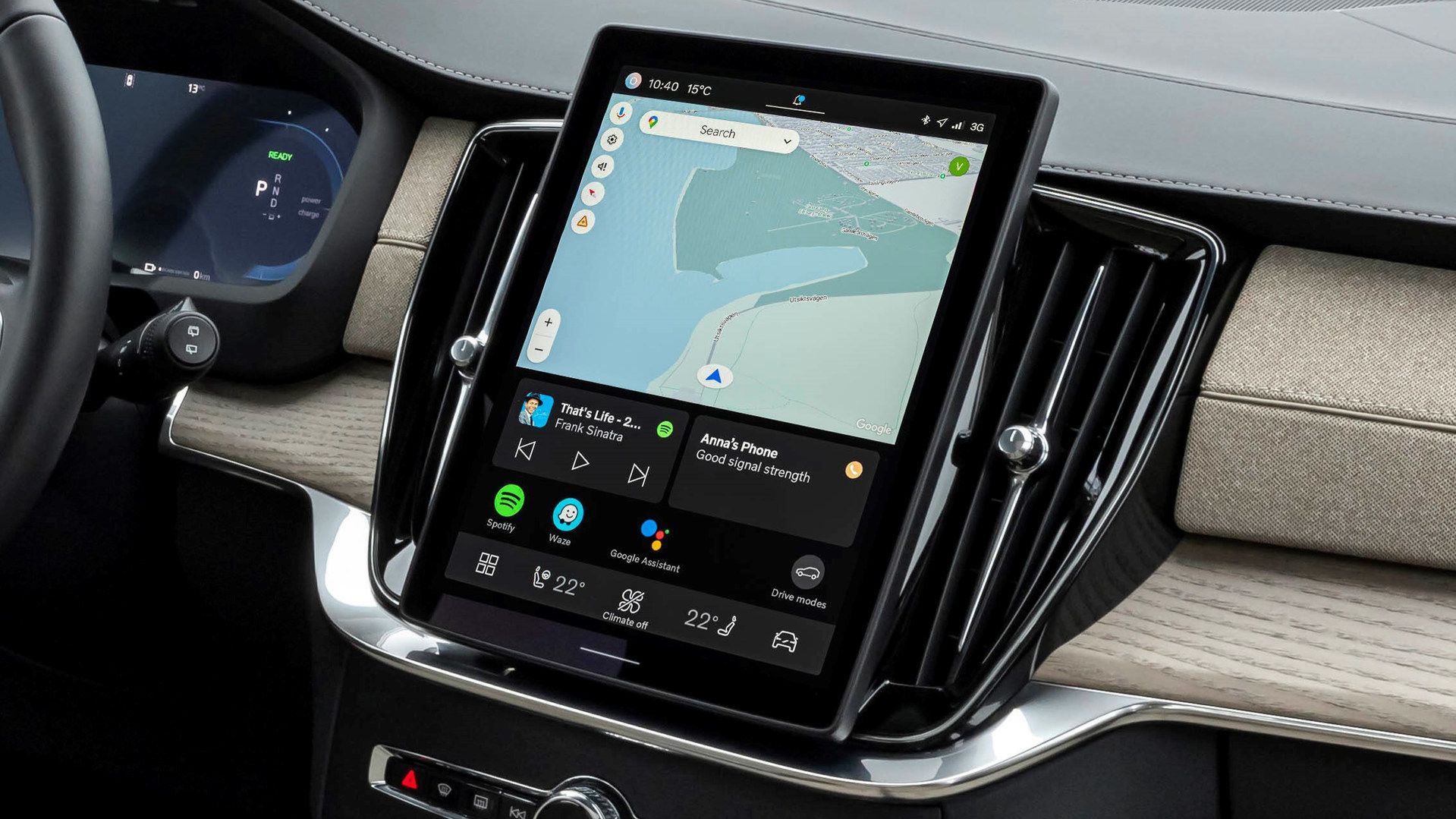
Inside, the two vehicles are nearly identical. Both feature the same 9-inch portrait touchscreen with Google built-in (Android Automotive OS), the same Harman Kardon audio system availability, and the same interior materials including Nordico upholstery options. Neither has a floating centre console — both use a traditional integrated console layout, though with practical storage bins and pass-throughs.
The EX40 sits 56 mm taller (1,647 mm vs. 1,591 mm), which means a slightly higher seating position and more headroom for rear passengers. For families in Nova Scotia with young children in rear-facing or forward-facing seats, that extra height can make a real difference in day-to-day ease of entry and exit.
The right choice here comes down to how you use the vehicle most of the time.
The EX40 makes more sense if you regularly carry passengers in the back seat, need consistent cargo space for recreation, pets, or family life, or prefer the look and utility of a traditional SUV shape. Its 1,400 L of folded cargo volume and 31 L frunk offer more flexibility for life in and around Halifax.
The EC40 makes more sense if aesthetics are part of your buying decision, your passenger and cargo loads are lighter, and you value the modest range advantage the aerodynamic body provides. Drivers who spend more time on the highway between Halifax and other Nova Scotia destinations may also appreciate the slightly better highway efficiency.
Both vehicles come with the same safety technology, the same electric drivetrain reliability, and the same Volvo warranty support.
The best way to settle the question is to experience both vehicles in person. The team at Volvo of Halifax can walk you through the differences, arrange back-to-back test drives, and help match the right model to how you actually drive. Book your appointment at our Halifax dealership and see which one fits your life.
Elevating Long Drives With the 2026 Volvo XC90 Ultra’s Head-Up Display and Premium Sound
Long stretches behind the wheel test more than patience. On Nova Scotia’s coastal highways and cottage-bound backroads, small comforts start to...
Read more
3 Google Built-In Features That Make the 2026 Volvo EX30’s Cabin Feel Effortless
Shopping for a new SUV in Nova Scotia often means learning a new set of menus, buttons, and screens all over again. The 2026 Volvo EX30 skips a lot...
Read more
Why the 2026 Volvo EX40 Twin Motor Comes With All-Wheel Drive Standard
There is a straightforward reason many electric SUV shoppers keep returning to the 2026 Volvo EX40 Twin Motor: it comes with all-wheel drive built...
Read morePowered and developed by
